
Introduction to Coffee Beans
Coffee beans play a pivotal role in the global coffee industry, serving as the primary ingredient in one of the most consumed beverages worldwide. Understanding the different types of coffee beans is essential not only for coffee enthusiasts but also for professional baristas who strive to perfect their craft. The knowledge of these beans can influence brewing methods, flavor profiles, and the overall coffee experience.
Coffee beans are the seeds of the Coffea plant, and there are several varieties, each with distinct characteristics and flavor notes. The two most prominent types are Arabica and Robusta, each offering unique benefits and challenges in cultivation and preparation. Arabica beans are often celebrated for their sweeter, more nuanced flavors, while Robusta beans are favored for their boldness and higher caffeine content. This diversity enables coffee lovers to select beans that align with their preferences.
The journey of coffee from plant to cup begins with careful cultivation, where factors such as altitude, soil quality, and climate significantly affect the beans’ final taste. After harvesting, the beans undergo processing methods that further shape their flavor, including washing, drying, and roasting. Understanding these processes can enhance one’s appreciation for coffee and guide choices when selecting beans for home brewing or café orders.
Moreover, recognizing the specific traits of various coffee beans creates opportunities for greater enjoyment and richer experiences. Whether through exploring different brewing techniques or seeking out specialty coffees, there is always something new for coffee aficionados to discover. In the subsequent sections, we will delve deeper into the specifics of the different types of coffee beans, their cultivation, and how they contribute to the vast world of coffee.
The Coffee Plant: An Overview
The coffee plant, belonging to the genus Coffea, is native to tropical regions of Africa and Asia. Over time, farmers have cultivated it in various countries around the world, primarily in regions located between the Tropics of Cancer and Capricorn, where the climate is ideal for growth. The most common species cultivated today are Coffea arabica and Coffea canephora (commonly known as Robusta). Each of these species thrives under different environmental conditions, which significantly impacts the flavor profile of the coffee beans they produce.
The coffee plant flourishes in environments characterized by rich soil, adequate rainfall, and consistent temperatures. Typically, optimal growth conditions require temperatures between 60°F to 70°F (15°C to 24°C), ample sunlight, and fertile, well-draining soil. Additionally, elevation plays a crucial role; higher altitudes tend to produce beans with more complex flavors, while lower altitudes may yield beans that are less refined. These environmental factors together shape the characteristics of the coffee beans, influencing acidity, body, and flavor notes.
One of the most fascinating aspects of the coffee plant is the coffee cherry, the fruit that encases the coffee beans. A mature coffee cherry turns from green to bright red, indicating it is ready for harvest. The internal structure of the cherry consists of several layers, each playing a role in protecting the coffee bean and contributing to its flavor during processing.
As coffee cherries develop in response to climatic conditions, the sugar and acid levels fluctuate, further defining the final taste of the brewed beverage. The biology of both the coffee plant and its cherries is essential for understanding the intricate relationship between cultivation methods and the sensory profiles of the coffee consumed worldwide.
Arabica Coffee Beans
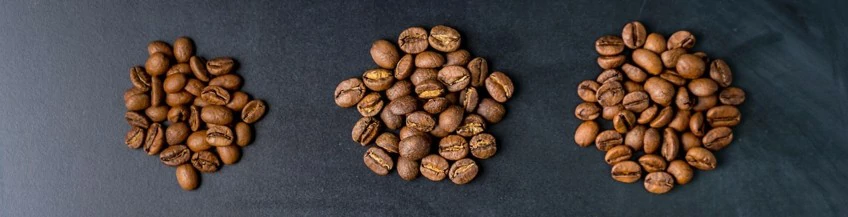
Arabica coffee beans, known scientifically as Coffea arabica, are among the most popular coffee varieties across the globe, accounting for approximately 60-70% of the world’s coffee production. These beans are celebrated for their distinct flavor profiles and aromatic qualities, which are often described as smooth and slightly sweet, possessing a complex acidity. The nuanced flavor notes can range from floral and fruity, to nutty and chocolatey, making Arabica a preferred choice for specialty coffee enthusiasts.
One of the key factors contributing to the popularity of Arabica coffee beans is their relatively low caffeine content compared to their Robusta counterparts. This lower caffeine level not only results in a milder flavor but also makes them more palatable for a wider audience. Arabica beans are typically cultivated at higher altitudes, which enhances their flavor development, as the cooler climates contribute to a slower maturation process resulting in more complex taste characteristics.
Regions such as Ethiopia, Colombia, and Brazil are identified as prime locations for Arabica cultivation, with each region contributing unique flavor profiles influenced by their specific climate and soil conditions. For instance, Ethiopian Arabica is often celebrated for its wine-like and fruity notes, while Colombian varieties tend to emphasize a smooth body and balanced acidity. The careful cultivation techniques employed in these regions also play a significant role in producing high-quality Arabica beans.
The impact of Arabica coffee beans on the global market cannot be overstated, as they consistently command higher prices than Robusta coffee due to their esteemed quality and the labor-intensive processes involved in their production. This preference for Arabica has driven innovations in farming practices and sustainable methods, further solidifying its role within the coffee industry.
Robusta Coffee Beans
Robusta coffee beans, scientifically known as Coffea canephora, are one of the two primary species of coffee beans, alongside their more renowned counterpart, Arabica. One of the most significant differences between Robusta and Arabica lies in their taste profile. Robusta beans typically produce a stronger, bolder flavor that is often described as earthy or woody, with a slight nutty quality.
In contrast, Arabica beans are known for their sweeter, more complex flavor profiles, exhibiting floral and fruity notes. This distinct taste difference makes Robusta a popular choice for espresso blends, where a rich and robust flavor is desired.
Another crucial aspect distinguishing Robusta coffee beans from Arabica is their caffeine content. Robusta beans contain approximately twice the amount of caffeine found in Arabica beans. This heightened caffeine level not only contributes to the intense flavor but also enhances the beans’ resilience against pests and diseases, allowing them to thrive in harsher growing conditions.
As a result, Robusta plants are generally easier to cultivate and more productive than their Arabica counterparts, making them a favored choice for farmers.
Robusta coffee beans are commonly grown in various regions, predominantly in Africa, Southeast Asia, and Brazil. They flourish in lower altitudes and are more adaptable to varying climate conditions compared to Arabica. The global market for Robusta coffee has been steadily growing, especially as coffee drinkers increasingly seek bold and concentrated flavors in their beverages.
This demand often sees Robusta being used in instant coffee and coffee blends, lending a rich crema and body to espresso shots. Understanding the unique characteristics of Robusta coffee beans helps consumers make informed choices in their coffee preferences, acknowledging its importance in the coffee industry.
Liberica Coffee Beans
Liberica coffee beans represent a unique variety in the world of coffee, standing apart from the more commonly known Arabica and Robusta beans. Widely grown in specific regions like the Philippines, Liberia, and Malaysia, Liberica beans are less prevalent, accounting for a mere 2% of global coffee production. This rarity contributes to their distinctive market niche and intriguing flavor profile.
The flavor profile of Liberica coffee beans is notably different, characterized by their floral aroma and a fruity, somewhat woody taste. Coffee enthusiasts often describe the taste as being more complex, with hints of dark chocolate and a smoky undertone, which appeals to consumers seeking an alternative to conventional coffee flavors. The texture is often full-bodied, contributing to a satisfying experience when brewed.
The origin of Liberica coffee can be traced back to West Africa, but its spread to other regions occurred in the late 19th to early 20th centuries. Due to environmental factors, such as temperature and rainfall, the cultivation of Liberica beans is limited to specific climates, which adds to their exclusivity. They thrive in tropical conditions, often found in hilly areas where the rich, volcanic soil supports their growth.
In recent years, the specialty coffee market has begun to appreciate the unique qualities of Liberica beans. This surge in interest highlights how the diversity of coffee types offers something for everyone, appealing to those willing to explore beyond the typical selections. As interest in varied coffee flavors continues to grow, Liberica beans present an exciting option for both casual drinkers and connoisseurs alike, emphasizing the rich tapestry of coffee varieties available globally.
Excelsa Coffee Beans
Excelsa coffee beans represent a unique variety within the coffee family, often categorized under Liberica. Originating from Southeast Asia, these beans are recognized for their distinctive flavor profiles and aromatic diversity. Unlike more common varieties, Excelsa is known for its complex taste notes, which often include fruity, dark chocolate, and floral undertones. This contrast is what makes Excelsa particularly sought after among coffee connoisseurs and enthusiasts alike.
One of the notable characteristics of Excelsa coffee beans is their unique sweet and tart flavor balance. This is attributed to their growth conditions and the regions in which they are cultivated. Typically grown at higher altitudes, Excelsa thrives in warm, humid climates that contribute to its singular taste. However, cultivating Excelsa coffee is not without challenges. The trees yield less fruit compared to other popular varieties, and their growth can be more sensitive to environmental factors, making them harder to cultivate on a larger scale.
In the specialty coffee industry, Excelsa plays a vital role by adding depth and complexity to coffee blends. Many roasters incorporate Excelsa into their blends to achieve a multidimensional flavor profile that captures the interest of consumers. When mixed with Arabica or Robusta beans, Excelsa can provide a delightful contrast that enhances the drinking experience. This versatility has allowed Excelsa coffee beans to carve out a niche market, encouraging both producers and consumers to appreciate the nuances of this fascinating variety.
Hybrid Coffee Beans
Hybrid coffee beans represent a fascinating intersection of tradition and innovation in the coffee cultivation industry. These beans are produced by crossing different coffee species or varieties, which can yield a unique combination of characteristics from both parent strains. The primary aim of hybridization is to enhance specific traits in the coffee plants, such as disease resistance, climatic adaptability, yield improvements, and flavor enhancement.
One notable benefit of hybrid coffee beans is their increased resilience to diseases and pests that have historically affected coffee crops. For instance, hybrids like Catimor and Catuai have gained prominence due to their robust genetic makeup, which offers a level of disease resistance that can lead to more sustainable coffee production. This trait is especially vital in the face of rising challenges such as climate change and the spread of coffee leaf rust.
In addition to resistance benefits, hybrid coffee variants can also lead to improved flavor profiles. For example, the popular Geisha variety, which has Andalusian roots, has been crossed with various local hybrids to develop coffees with distinct fruity and floral notes. This has contributed to the global interest in specialty coffee, where unique flavors and quality are highly prized.
Several hybrids have gained recognition for their unique flavor characteristics while maintaining favorable growing conditions. The SL28 hybrid, for instance, is known for its complex acidity and berry-like flavors, combining desirable taste attributes with a robust growth profile. Similarly, the F1 hybrids developed through advanced breeding techniques are quickly becoming a focal point in commercial coffee production, offering both quality and increased yield.
Factors Affecting Coffee Bean Flavor Profiles
The flavor profiles of coffee beans are influenced by a variety of factors, each contributing to the uniqueness of different coffee types. Among the most significant of these factors is the growing altitude. Coffee plants cultivated at higher elevations tend to develop a more complex and nuanced flavor due to slower maturation processes. The cooler climate at these altitudes slows the growth of coffee cherries, allowing them to develop greater acidity and sweetness—a hallmark of high-quality coffee.
Soil conditions also play a critical role in shaping the taste of coffee beans. The mineral composition and organic matter of the soil directly influence the nutrients absorbed by the coffee plant, contributing to the flavor depth in the beans. For instance, volcanic soil is renowned for producing coffee with vibrant acidity and rich flavor. Farmers often test soil pH and nutrient content to ensure optimal conditions for growing superior coffee plants.
Processing methods further impact the flavor profile significantly. Coffee beans can undergo various processing techniques—washed, natural, or honey processed—each imparting different characteristics to the final beverage. The washed method tends to produce a cleaner taste, emphasizing acidity, while natural processing yields a fruitier flavor as the cherry remains intact during drying.
Furthermore, roasting techniques are crucial for unlocking the potential flavors within the beans. Different roasting levels—light, medium, or dark—affect the chemical composition of the beans, leading to variations in taste. Lighter roasts often showcase the innate flavors of the bean, highlighting its origin’s characteristics, while darker roasts tend to produce a more robust and bittersweet flavor profile.
In conclusion, understanding the multifaceted factors that influence coffee bean flavor profiles, from growing altitude and soil conditions to processing methods and roasting techniques, is essential for appreciating the diversity within the world of coffee.
Conclusion: Choosing the Right Coffee Bean
In the journey of exploring the different types of coffee beans, it becomes evident that each variety offers unique characteristics that cater to diverse tastes and preferences. Understanding the distinctions between Arabica, Robusta, Liberica, and Excelsa is crucial for making an informed choice.
For instance, Arabica beans are known for their smooth and complex flavor profile, making them a favorite among coffee enthusiasts. Conversely, Robusta beans tend to have a stronger and more bitter taste, which can be appealing for those who prefer more robust brews.
When selecting coffee beans, it is essential to consider the brewing method you plan to utilize. Some beans, like Arabica, excel in pour-over or drip coffee, while others, such as Robusta, are frequently used in espresso blends due to their rich crema and bold flavors. Additionally, the occasion can influence your choice; lighter, fruitier beans might be ideal for a casual morning brew, while richer, darker varieties may better suit an after-dinner drink.
Furthermore, experimenting with different beans can lead to delightful discoveries. Trying various roast levels and origins not only enhances your brewing variable but also broadens your appreciation for coffee’s complexity. Sourcing beans from specialty coffee roasters can also provide access to unique single-origin options, which reflect the terroir of their growth regions.
Ultimately, the right coffee bean is one that resonates with your individual taste preferences and complements the way you enjoy your coffee. Embracing the variety and richness of coffee beans can significantly enhance your coffee experience, inviting you to savor each cup with newfound appreciation. As you navigate through the expansive world of coffee, remember that the journey itself is just as enjoyable as the destination.