
The Historical Roots of Coffee
The journey of coffee begins in antiquity, tracing back to the ancient coffee forests of Ethiopia. According to legend, a goat herder named Kaldi discovered the coffee bean when he noticed his goats exhibiting increased energy levels after consuming the red cherries from a certain tree. Kaldi shared his findings with a local monastery, where monks experimented with brewing the cherries to create a revitalizing beverage. This initial instance marked a pivotal moment in the origin of Americano coffee.
From Ethiopia, coffee spread to the Arabian Peninsula, where it gained popularity in the 15th century particularly in Yemen. It was in the vibrant city of Mocha where coffee beans were first cultivated on a large scale. Coffee houses began appearing throughout the Middle East, serving as social hubs for people to gather, and engage in intellectual discussions. This cultural significance of coffee laid the groundwork for how coffee would evolve from a local drink into a global phenomenon.
By the 17th century, coffee had reached Europe, transforming dining practices and social habits across the continent. Cafés sprang up in major cities, becoming centers for social interaction and debate. The drink quickly gained favor among the elite and the intellectuals, further driving its popularity. This period was instrumental in developing various coffee styles and preparations, which ultimately influenced beverages like the Americano.
As the coffee trade expanded globally, the various brewing methods adapted and evolved. Today, as we explore the origin of americano coffee, it is important to recognize that it has its roots in centuries of cultural significance and historical transitions.
Evolution of the Americano Coffee
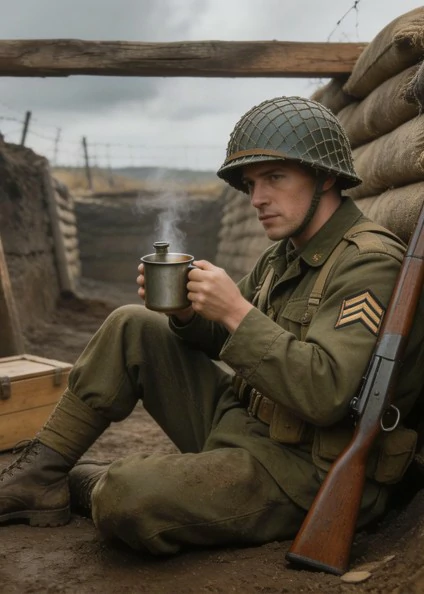
The origin of Americano coffee traces back to World War II, a pivotal time when American soldiers stationed in Italy sought a familiar drink. Given their preference for drip coffee, the robust and concentrated essence of espresso presented a challenge. The soldiers began diluting their espresso drinks with hot water, creating what is now known as American coffee. This was their attempt to replicate the taste of the coffee they experienced back home, providing a sense of comfort amidst the hardships of war.
As soldiers returned to the United States, they brought with them a new appreciation for this adapted beverage. The Americano coffee quickly gained popularity, especially during the post-war coffee boom in America. Coffee houses started to emerge, and as espresso machines began to populate these establishments, the Americano found a permanent and celebrated place on the menu. Its adoption by American culture marked a significant shift in coffee-drinking habits, introducing consumers to a variety of coffee styles and preparation methods.
Moreover, the Americano coffee reflects broader cultural implications of globalization and the growing influence of Italian coffee culture within the United States. Over the years, various adaptations and variations of the Americano have emerged, allowing coffee enthusiasts to experiment with flavors and brewing techniques. Despite its humble beginnings, the Americano coffee has evolved into a staple in coffee shops across the nation, signifying a blend of historical legacy and modern coffee trends. The origin of Americano coffee has not only reshaped consumption but also framed coffee-drinking as a social experience.
Components of an Americano
The american coffee masterfully combines espresso with hot water, providing a unique flavor profile distinct from other types of coffee.
An Americano is typically made using a standard ratio of espresso to hot water. Traditionally, a single or double shot of espresso is extracted, which forms the base of the drink. A common guideline is to use approximately 6 to 8 ounces of water for a single shot of espresso. This balance maintains the rich essence of espresso while simultaneously softening its intensity, resulting in a smoother coffee experience.
In terms of preparation, a high-quality espresso is essential, as it forms the foundation of the Americano. The espresso is brewed under high pressure, which extracts the essential oils and flavors from the coffee grounds. Once brewed, hot water is poured over the espresso, mixing the two components together. This simple technique distinguishes the Americano from other coffee types such as the latte or cappuccino.
The presentation of an Americano is typically straightforward; it is served in a coffee mug or cup, often without any embellishments. This simplicity allows the robust flavors of the espresso to shine through while still offering the drinker a less intense experience compared to straight espresso. Considering the Americano coffee history, it represents not only a beverage choice but also a narrative of adaptability and taste evolution driven by cultural needs.
Americano Coffee in Modern Culture
The Americano coffee has secured a prominent position in contemporary coffee culture, particularly in the United States, where it has become a staple for many coffee drinkers. Understanding the Americano coffee history is essential to appreciate its current status and popularity. Originating from post-World War II adjustments, the Americano is made by diluting espresso with hot water, resulting in a coffee that caters to those accustomed to drip coffee’s milder flavor and strength.
In recent years, there has been a noticeable trend in the rise of specialty coffee shops. These establishments focus on crafting high-quality, artisanal coffee experiences, often emphasizing the geographical and seasonal origins of coffee beans. The Americano has thrived in this environment, allowing baristas to showcase their espresso-making skills while offering a versatile drink that appeals to both seasoned and novice coffee enthusiasts. With the Americano’s global surge in popularity, it serves not only as a beloved beverage but also as a symbol of the ongoing evolution in coffee consumption patterns.
Furthermore, the Americano coffee has become an integral part of social interactions, providing a conversational center in coffee shops. When people get together, the Americano serves as a common choice for those seeking a comforting yet energizing beverage. Its presence in the coffee culture landscape highlights the need for communal spaces where individuals can connect over shared experiences.
The modern era has solidified the Americano’s status not just as a drink but as an expression of cultural trends and social engagement. It stands as a testament to the drink’s adaptability, bridging the gap between tradition and innovation, and indicating its lasting relevance in the coffee world.