
Understanding Coffee Freshness
Freshness is a critical factor that significantly influences the flavor profile of coffee. When it comes to coffee storage, understanding how to maintain optimal freshness is essential for achieving the best possible cup. The best way to store coffee can vary based on whether you have whole beans or ground coffee, as each form interacts differently with external elements that can degrade quality over time.
Typically, whole coffee beans retain their flavor and aroma for a longer period compared to ground coffee. This longevity is primarily due to the intact cellular structure of the beans, which protects the volatile compounds responsible for flavor. While whole beans can maintain optimal freshness for about 2 to 4 weeks after roasting, ground coffee begins to lose its flavor much faster, often within a week. Therefore, for those seeking the best way to store coffee, keeping it in bean form until right before brewing is advisable.
Several factors contribute to the degradation of coffee quality: exposure to air, light, moisture, and heat. Oxygen can cause stale flavors, making airtight containers essential for preserving both whole beans and ground coffee. Additionally, light and moisture can lead to the development of unwanted flavors and reduce freshness. Ideally, coffee should be stored in a cool, dark place, away from any heat sources. Airtight containers made of opaque materials are recommended for maintaining the freshness of coffee, ensuring that it remains at its peak flavor profile for as long as possible.
In conclusion, understanding the nuances of coffee freshness and storage is pivotal for coffee enthusiasts. By employing the best way to store coffee, whether as beans or ground, individuals can enjoy a superior tasting experience every time they brew a cup.
Best way to store coffee beans: Best Practices
The best way to store coffee beans is crucial for preserving their rich flavor and aroma. Freshness is paramount when it comes to coffee, and improper storage can lead to significant degradation. Therefore, employing the right practices for storing your beans is essential. One of the most effective methods is to use airtight containers. These containers help to minimize exposure to air, which can lead to oxidation and a loss of flavor. Look for containers made of opaque materials to protect the beans from light, which can also negatively impact their freshness.
Vacuum-sealed bags are another excellent option for storing coffee beans. By removing air from the packaging, you can prolong the life of your beans even further. If you purchase coffee in bulk, consider dividing it into smaller portions to minimize the frequency with which you open a larger container, as repeated exposure to air can diminish quality. It is also advisable to use containers that match the amount of coffee being stored. A half-empty jar allows for more air circulation, which may accelerate the staling process.
In addition to using the right containers, storing your coffee beans in a cool, dark place is critical. Avoid areas near the stove or any spots that experience high heat or humidity, as these environmental factors can adversely affect the quality of the beans. Keeping stability in temperature is also essential; fluctuations can alter the condition of the beans. Ideally, aim to store your coffee beans in a pantry or cabinet away from direct sunlight and heat sources to ensure that they remain as fresh as possible for a longer period.
Best way to store ground coffee: Optimal Methods
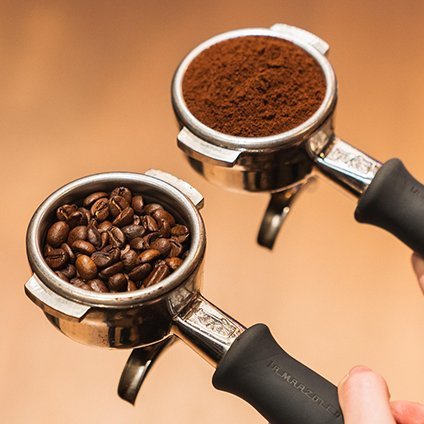
To maintain the freshness of ground coffee, it is essential to employ suitable storage methods. Ground coffee is particularly vulnerable to the elements that can degrade its flavor and aroma, primarily due to its increased surface area compared to whole beans. A well-sealed, airtight container limits the coffee’s exposure to air, light, and moisture, all of which can diminish its quality significantly.
While glass jars are a popular choice, they can allow light to penetrate, which may negatively impact the coffee’s freshness over time. Choosing a dark, opaque canister can be beneficial, as they protect the coffee from light exposure. For those looking for a more portable option, resealable bags offer convenience. However, it is important to ensure that these bags are vacuum-sealed when possible. Even with resealable bags, exposure to air and humidity can still compromise the flavor of the coffee.
One must also consider that ground coffee typically loses flavor more rapidly than whole beans. Experts generally recommend using ground coffee within one to two weeks after opening to enjoy its optimal taste. To maximize the shelf life of ground coffee, it is advisable to store it in a cool, dry place, away from direct sunlight and heat sources, which can accelerate the staling process. For those who purchase ground coffee in bulk, dividing it into smaller portions and vacuum-sealing each portion can be a practical solution. This way, only what is needed is exposed to the elements, ensuring that the rest remains fresh.
In conclusion, by selecting the appropriate storage vessel, employing airtight seals, and considering dark storage solutions, one can effectively ensure that ground coffee maintains its character and flavor. Following these best practices is crucial to achieving the best way to store coffee in its ground form, and ultimately enhancing the overall coffee experience.
Practical Tips and Common Myths
When it comes to the best way to store coffee, understanding the distinction between coffee beans and ground coffee is essential. Proper storage begins with selecting an appropriate container. A dark, airtight container is ideal for preserving the freshness of whole coffee beans, shielding them from light and air exposure. For those who prefer the best way to store ground coffee, using a similar airtight container can help minimize oxidation, which deteriorates flavor over time.
One common myth is that refrigeration or freezing is the perfect solution for prolonging freshness. However, while it may seem logical to assume that lower temperatures would preserve coffee’s integrity, this practice can actually be detrimental. Storing coffee in the fridge exposes it to moisture and odors from other food, which can compromise the coffee’s aroma and taste. The best way to store coffee is in a cool, dark place at room temperature where it can maintain its intended flavor profile.
In addition to proper container choice, the duration of storage is also crucial. Fresh coffee beans should ideally be consumed within two to three weeks after opening. For ground coffee, the recommended timeframe is even shorter—about one week for the best flavor. Therefore, purchasing smaller quantities and using them more frequently can ensure that you always brew a fresh cup of coffee.
Finally, it is essential to debunk the myth of buying in bulk. Many believe that buying large quantities of coffee is economical, but unless you have an efficient storage method in place, doing so often leads to stale coffee that does not deliver its full flavor potential. Instead, sticking to minimal quantities and implementing the best way to store coffee will lead to an improved coffee experience.